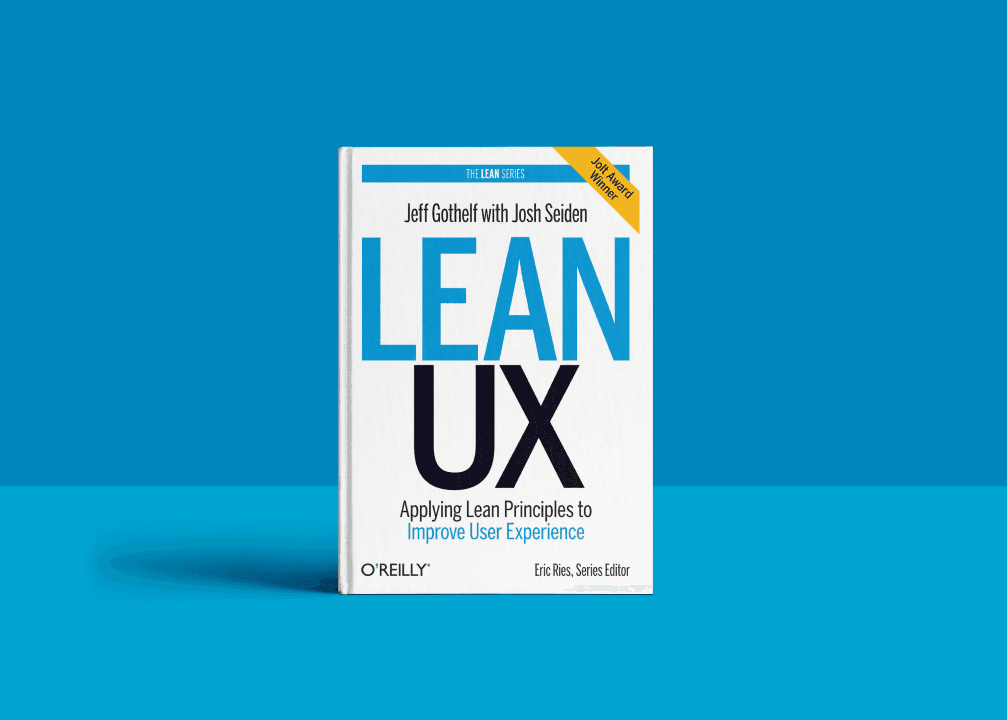
Principles for creating user-centric designs in a fast-paced agile environment using minimum viable products.
Josh Seiden & Jeff Gothelf
November, 2016
About the book
Focus
Methodology
Read Time
hours
Metadata
Lean UX is about bringing the principles of Agile and Lean Startup into the design process. It’s a direct attack on the old "waterfall" method where designers handed over static files and hoped for the best.
More dope pixels.
Content
Outcome Over Output
In a Lean UX environment, success is not defined by "how many screens you designed" or "how many features you shipped." Success is defined by the outcome did the user's behavior actually change? This shift moved my focus from being a "deliverable machine" to being a "problem solver."
The Collaborative Team
Design is too important to be left only to designers. Lean UX encourages developers and product managers to be involved in the design process from day one. This creates a shared understanding that makes handoffs smoother and the final product much more technically sound.
The Assumption Test
Everything we design is a hypothesis based on an assumption. Instead of spending weeks on a "perfect" design, Lean UX teaches you to build the smallest possible thing (MVP) to test that hypothesis. It’s about being humble enough to admit you might be wrong and fast enough to pivot.
My Personal Key Takeaways
Here are the key shifts in my perspective:
Minimum Viable Design: Focus on the core functionality that proves the value proposition before spending time on visual polish or secondary features.
Shared Understanding: Frequent, informal communication with your dev team is far more valuable than a 100-page design specification document.
Iterate Based on Data: Use actual user behavior data and analytics to drive your next design iteration rather than relying on subjective "design trends."